

 Continuing the theme of recycling and upcycling which inspired our last Weekly Edit, today’s furniture is the work of David Marsden, another find from the last month’s New Designers shows. His Pally Sofa, pictured above, was a real attention grabber. Produced for David’s Final Major Undergraduate Project at Bucks New University, it explores the themes of longevity and versatility in the design and production of upcycled furniture. Having had previous experience using reclaimed pallets to manufacture garden furniture, David decided to push the boundaries further by attempting to use the same material for interior furniture. Achieving a higher standard of finish was crucial, and the end results surpassed David’s expectations:
“The results, after planing the pallets and transforming it into finished board were far better than I could have imagined; rust marks left behind from the removed nails, left beautiful pattens which, to the untrained dye, resembled the natural occurring figure in the wood.”
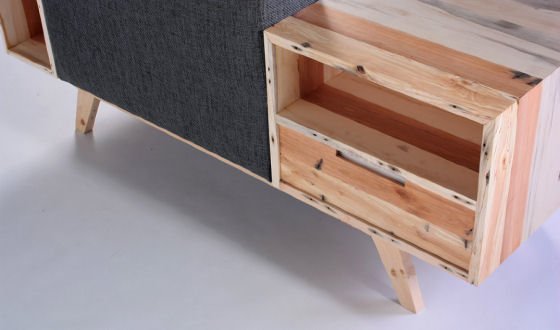 Now, beauty being very much in the eye of the beholder, I do appreciate that rusty nail marks won’t be everyone’s cup of tea, but I like very much the honesty and simplicity of this furniture – and it has more than a little of the “urban rustic” about it. Perhaps belying its appearance, it has a very pleasing tactile quality too; it’s beautifully smooth to the touch.
David wanted versatility to play an important part in the product’s longevity; he designed Pally to be suitable for homes with limited space by integrating the seating with handy surfaces as well as storage, and he also made the elements interchangeable. The design comprises three separate units that all slide off the main frame and can be put together in different combinations. They can also added to, as required, making Pally extremely adaptable to the customer’s changing needs.
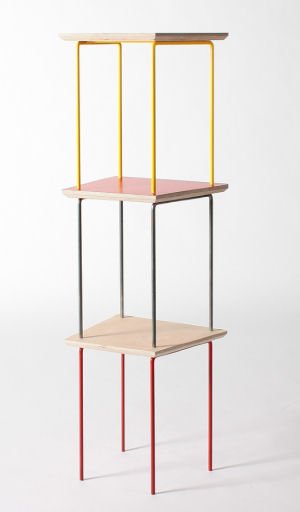
To round off, a quick mention of a couple of David’s other projects, which also exemplify his philosophies of designing for longevity and the efficient use of materials. The’ Dobbie’ chair, pictured below, was produced in response to a brief to create a batch produced boardroom chair for the company of his choice – in this case, the creative branding company BrandOpus, and the ‘Greg’ table, also shown below, was designed to utilise otherwise redundant materials – in this case the offcuts from the manufacture of the Dobbie chair.
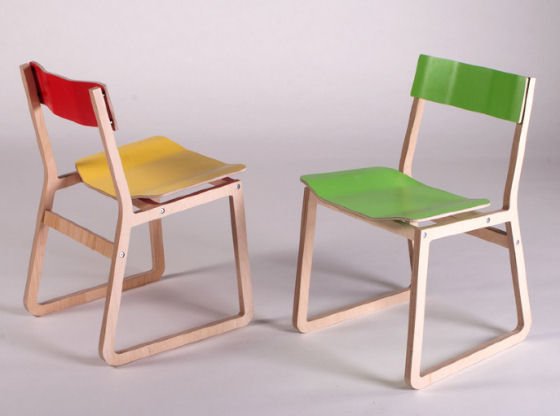
 The chair reflects the “fun and colourful nature of the BrandOpus work” and harmonises with the company’s style and existing furniture – predominantly retro 1960’s, Eames designs and G-Plan chairs. David decided to follow the principles of G-Plan design by using as few components as possible, and experimented with laminated wood in keeping with the materials used in the Eames furniture.
As well as being hard wearing and durable, the Formica chosen for the seats and backs comes in a range of colours that can be used to create different moods and personalised to the client’s needs. David also designed the chair with the bolts exposed to facilitate the replacement of components, meaning any damaged chairs can be easily repaired and won’t need to be thrown away. Finally, the use of CNC manufacturing technology minimises labour costs and ensures consistency and accuracy, all important when producing a batch product.
Whether it’s for the home or office, David’s approach is all about creating comfortable, attractive, versatile products that will stand the test of time, and doing it as efficiently as possible. He describes himself as “passionate abut the longevity of products and furniture” and I look forward to hearing much more about him, and his furniture, in the future.


Comments are closed.