
 In a previous Colour + Pattern = Joy! feature back in March I promised to write more about Chiyogami paper, which is a bit of an obsession of mine and very probably for many other colour and pattern lovers too.
Chiyogami is the name given to the colourful, beautiful, intricate patterns and designs that were developed to be printed onto paper during the Edo period (1615 – 1868) in Japan. The story goes that papermakers from the countryside took their inspiration for the patterns from the bright kimono designs they saw worn by wealthy ladies in the larger cities. An area in the city of Kyoto, known as Yuzen, was particularly famous for its fabric dyeing techniques and kimono textiles, which were often intricately patterned and embellished with gold. The original use for these papers was to cover small, decorative household items such as tea tins and boxes, and make dolls; the small scale of the repeat patterns of Chiyogami paper reflects these original uses.
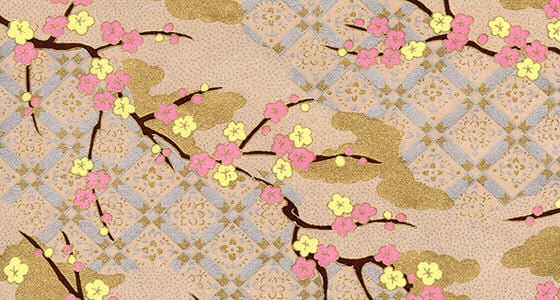
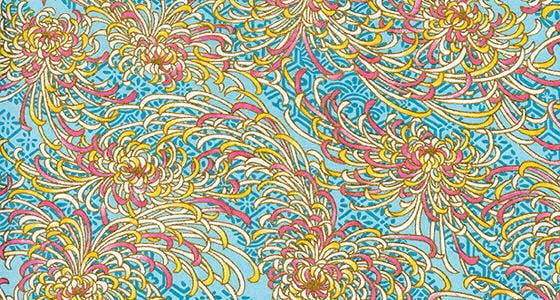
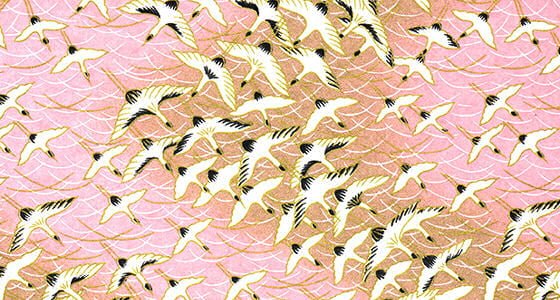
Chiyogami papers were orignally printed using wood blocks, but are now generally screenprinted by hand onto machine made sheets of paper made from kozo and sulphite. The Kozo, or Paper Mulberry, bush produces fibres that are very strong and stable, resulting in a paper that is soft and absorbent; a good quality Chiyogami paper feels very much like fabric to handle, and takes paste well, making it the ideal choice for bookbinding and box making, as well as a multitude of other craft applications.
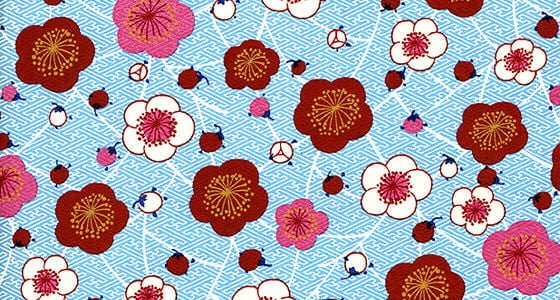
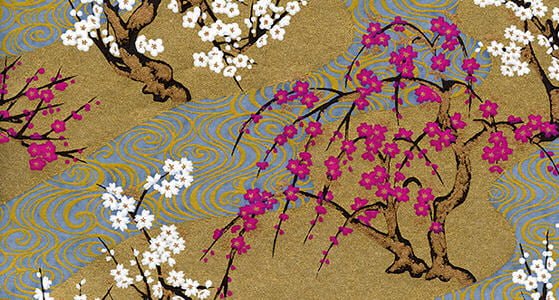 Because Chiyogami designs are so colourful and intricate, each sheet has to be silkscreened with as many colours as the pattern requires – usually four or five and sometimes up to eight or more.
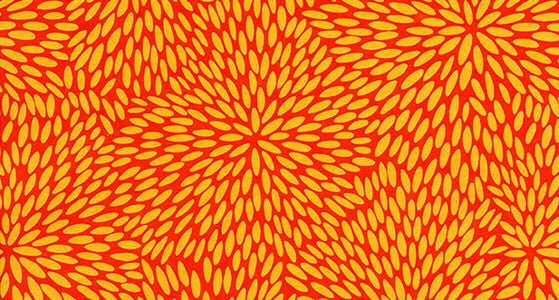
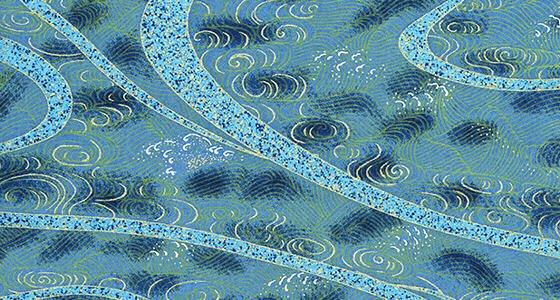
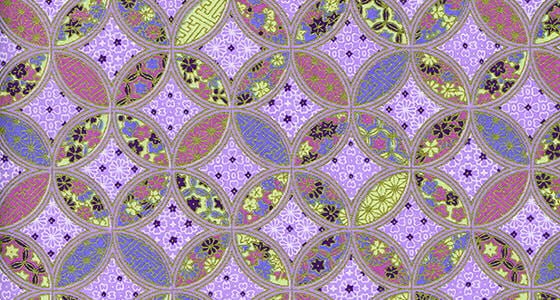
Inspiration for kimono textile designs and Chiyogami patterns were traditionally taken from nature, particularly trees, flowers, and birds, all of which are rich in symbolism. Sometimes larger landscapes, such as the mountain scene at the very top of the page, are also depicted.
Popular flowers are peonies (wealth and nobility), cherry blossom (loyalty, innocence and purity), and chrysanthemums (longevity) whilst pine, bamboo and plum are known collectively as the Three Friends of Winter (shōchikubai), and are symbols of longevity, perseverance and renewal. The pine tree is an evergreen and lives for many years, bamboo bends in the wind but never breaks, and the plum is the first tree to blossom each year. Cranes symbolise good fortune and longevity, and swallows – the first migrant birds to appear in Japan in spring – are thought to bring good luck.
New Chiyogami patterns are constantly being produced, with modern designs taking inspiration from many aspects of modern life, including fashion and contemporary culture.
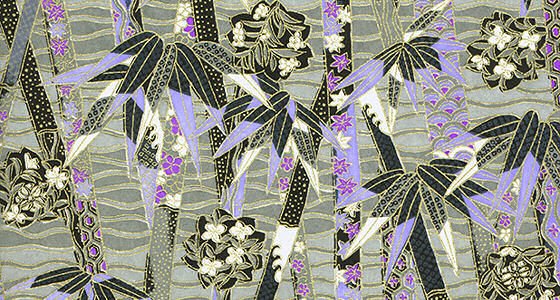
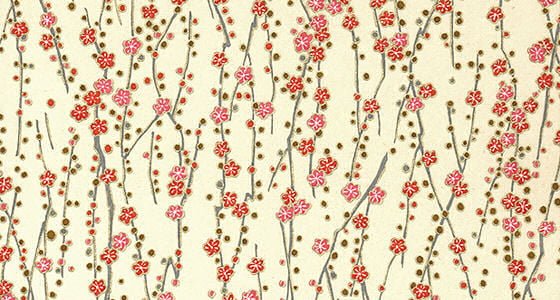
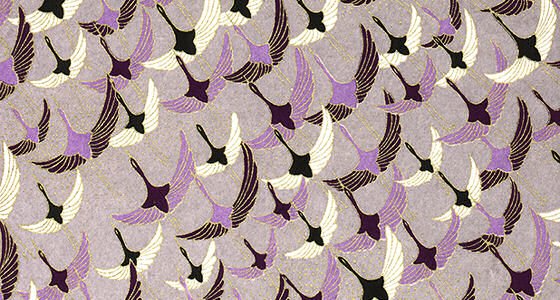
A close relation of Chiyogami, and often sold alongside it in specialist paper shops, is “Katazome-shi” which translates literally as “stencil-dyed papers”. (It’s also sometimes referred to as “Wazome”).
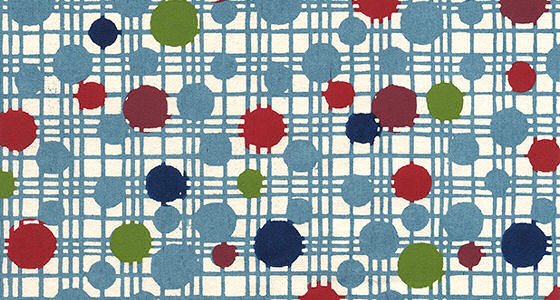
The two papers are similar, both being based on traditional kimono-printing techniques, but Katazome-shi papers have a less refined character, with a slightly rougher, more matte surface texture, and without the gold or metallic tones of Chiyogami. Developed in Kyoto in the 20th century, Katazome-shi are printed using persimmon-dyed kozo paper stencils, and a mixture of pigments and “Kokiro” (soy bean juice) absorbs deeply into the paper to produce deep, rich, strong colour that’s extremely long lasting.
I’m a real fan of these papers too, they’re different to Chiyogami, but have a wonderfully bold and slightly more rustic look and feel that is very appealing – and again, the patterns and colours are quite beautiful. Here are just a few of my favourites:
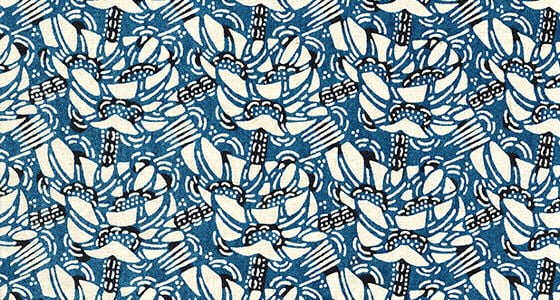
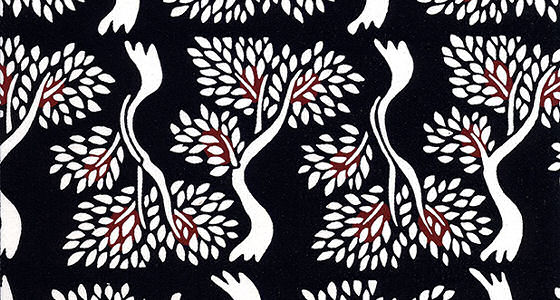
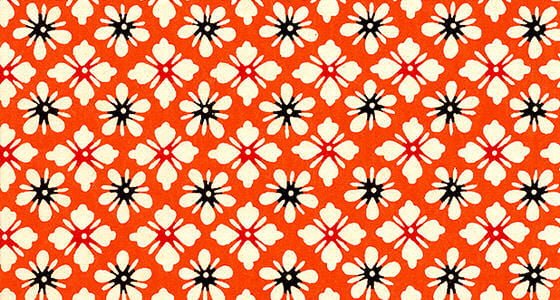
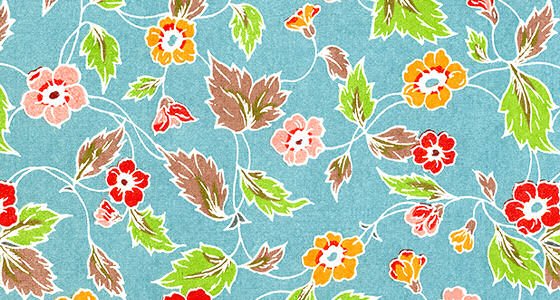
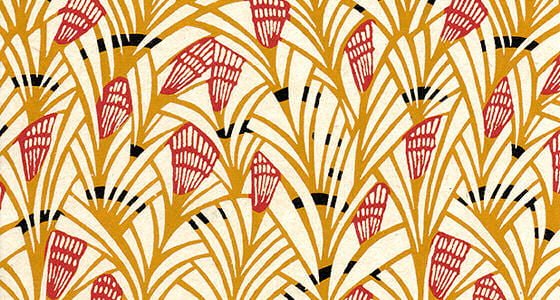
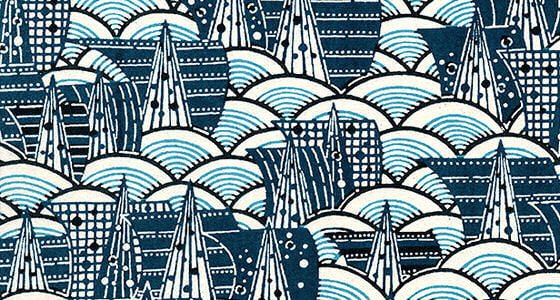
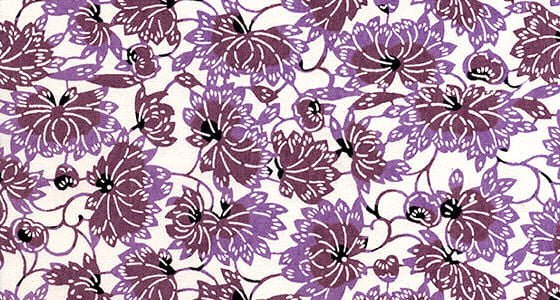
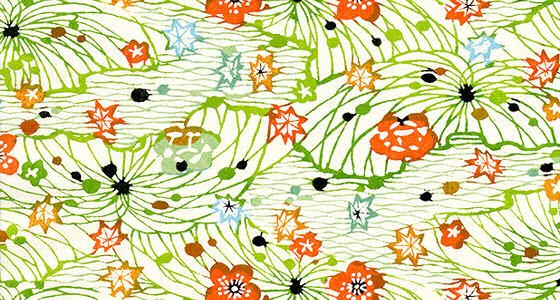
As I mentioned in my previous piece about Chiyogami, the best UK stockist that I know of for both Chiyogami and Katazome-chi papers is Shepherds; they’re based in London SW1 but also have an online shop.
For international stockists visit the Japanese Paper Place who are in Toronto Canada but who supply resellers worldwide. It’s very easy to spend hours on either website, browsing through these wonderful papers … the other downside is trying to choose which ones to buy – they’re all so beautiful in their own way.
If you know of any other good places to buy these papers in the UK then please do let me know, I’m always keen to find out about new sources.
Images: The Japanese Paper Place



2 Comments
Hey!
so pleased to see Katazome Shi 64 at the top of your favourites list. I’ve spent 2 months looking for the right design and finish to decorate the inside lid of a 60s suitcase record player. With this – and only with this – I’ll go ahead and refurbish it.
I plan to recover the outside of the suitcase with Buckram but all the examples I’ve seen are plain though most are textured. Do you know of any suppliers who stock this kind of material with a printed pattern?
Marc
Hi Marc
It’s a beauty isn’t it? Great to hear you’ve found a wonderful use for it, it sounds a great project. But sorry to say, I’ve never come across patterned buckram paper. you could enquire at http://www.falkiners.com – this is the website for Shepherds Bookbinders/Falkiners Fine papers.
Good luck! Helen